Steve Lukather, Richard Page, Gregg Rolie, Todd Rundgren, and Gregg Bissonette
Durham Performing Arts Center
June 22, 2014
Ringo Starr will perform with this current All Starr Band at DPAC on Sunday, June 22, 2014. This is the same line up Ringo has played with since 2012 and features Steve Lukather, Richard Page, Gregg Rolie, Todd Rundgren and Gregg Bissonette.
Ticketmaster.com / Ticketmaster Charge by phone at 800.745.3000
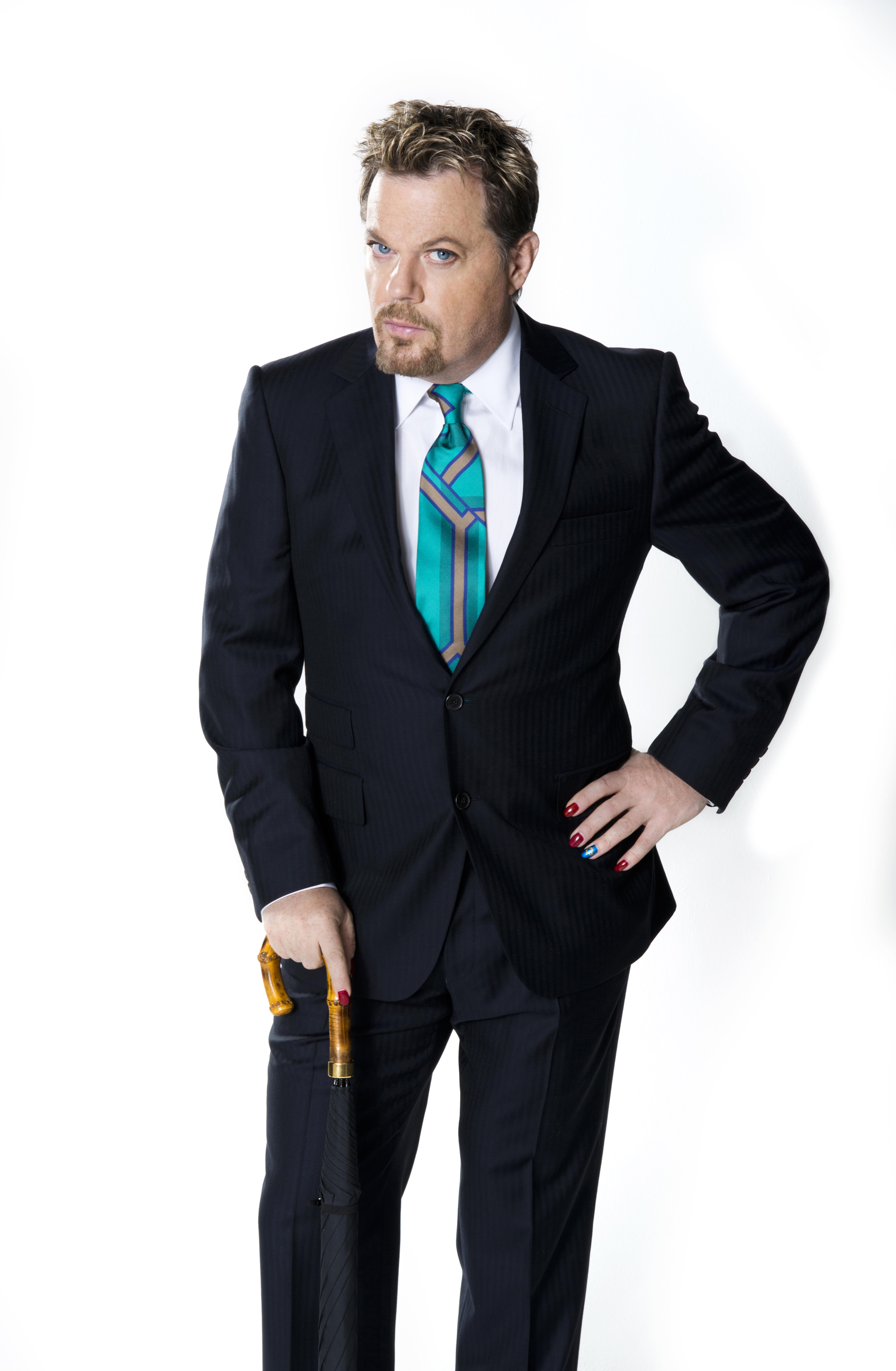
Force Majeure is the most extensive comedy tour ever; launched in March of 2013, the tour will take Izzard to 25 countries on five continents. From Cardiff to Kathmandu and Moscow to Mumbai, Force Majeure will play throughout Europe, Africa, Russia, the U.K., Canada, the U.S., India, Nepal, The Far East and Australia. Izzard recently completed runs in France performing entirely in French and in Berlin performing entirely in German.
One of the most acclaimed comedians of his generation, Izzard’s unique, tangential, absurd, and surreal comic narratives are lauded for their creativity and wit, earning him a New York Drama Desk Award and two Emmys for Dress to Kill, two British Comedy Awards for Top Stand-Up Comedian, and an Olivier Award nomination for Outstanding Achievement.
In the U.S., Izzard is the first solo stand-up comedian to perform at the Hollywood Bowl, has sold-out three consecutive nights at Radio City Music Hall and toured arenas throughout the U.S. including a sold-out show at Madison Square Garden.
On TV, Izzard most recently guest starred in the series, Hannibal, on NBC. He starred in and served as a producer on the critically acclaimed FX Network Show, The Riches, opposite Minnie Driver, guest starred in the final season of Showtime’s United States of Tara, and his 2010 documentary, Believe: The Eddie Izzard Story, received an Emmy nomination.
His long list of film and stage credits includes Valkyrie opposite Tom Cruise, Steven Soderbergh’s Ocean’s Thirteen and Ocean’s Twelve opposite George Clooney and Brad Pitt, David Mamet’s Race and The Cryptogram, the title role in Marlowe’s Edward II, and A Day in the Death of Joe Egg in London and on Broadway which won him a handful of awards, including a Tony nomination for Best Actor.
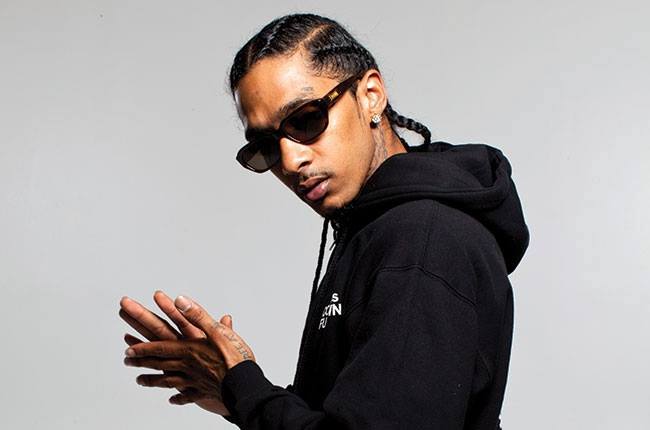
MAS – Your Proud2Pay program, and Crenshaw, have generated a ton of recognition for you as a business mind. I see interviews with you all over talking about your marketing strategies and business acumen. I’m not seeing a lot of people talking about your lyrical style or your album content. I know the old saying is “there is no such things as bad press”, but what do you think about all the attention being paid to your marketing strategy instead of your album content?
Nipsey Hussle – I think that people have already accepted that fact about Nipsey Hussle; that Nipsey is a great lyricist, that Nipsey is a true artist, and that he represents a real condition. You know what I’m saying? The condition of South-Central Los Angeles and the West Coast in general. I think that is a known fact. I think for them to see me take a stand as a businessman and innovate in the category of marketing and release strategy that was new information about Nipsey Hussle. I think that was something that was a new discovery. I think that is why you saw a lot of attention being paid to the campaign Proud2Pay, Fuck the Middle Man, $100 Mix Tape. The direction we chose to go in with our stance in the game as an owner, I think that was all new information. I think artists, like myself, who have been around 3, 4 or 5 years, that’s what people look for in your conversations. When they get a new convo from you, they look for the new information; they look for the new discovery. I think that was what was new about Crenshaw and just that moment in time. You know?
But I felt that also, I told my team, the marketing plan was the single for this album. The tape’s strategy was the single because that was what was the most important to us. At my show, that’s where I get the feedback for my lyrics, my energy and my message; my concerts, that’s where I really check and see. The people can say whatever they want in the magazines and in the interviews. When people come out, pay money, stand in line, scream your lyrics at the top of their breath, sweat, you know what I’m saying, and get hysterical. To me, that’s the most honest form of feedback.
MAS – Right now you are still working as an independent; I know the typical path to success is to get hooked up with a major label or group like Shady, Cash Money or something like them. Are there any specific groups out there that you think you would be a good fit? I know that you tried to get something going with Rick Ross and MMG that go derailed, but are there any others that get you thinking?
Nipsey Hussle – The Rick Ross and MMG thing didn’t get derailed; it was just conversations, getting to know each other. Respecting what we are doing and seeing if there was a situation that makes sense businesswise. That is still an ally of mine and a friend and a homeboy I look to for life and advice. Just a real individual outside of music, you know the capacity of what he can do within music. As far as just focused, passionate talented dudes, I draw them type of people.
To answer the question, you know, I think that my goal is to exist in the game the way that the people that we grew up looking up to existed in the game. Master P exists as an owner. Brian Williams and Slim Williams, you know the Williams Brothers, they exist as owners. You know what I’m saying? Jay-Z, Puffy, they all exist as owners. You know, their careers had ups and downs but I think the thing that really distinguished them from the rest of the pack is that they fought for ownership and they fought for excellence. And so, I am just doing what I was raised looking up to. I always looked up to those individuals because they fought for that and they were different than the way the industry owned artists and creators. They exceeded that, and they also were successful as artists but they reaped the benefits as owners. I’m just trying to take my craft to the next level, be as big as I can be but remain in control of the ownership and the equity, to some degree.
MAS – You got a good role model in Bryan Williams, The Birdman. If you can live up to that role-model…
Nipsey Hussle – Yeah, it’s not just Bird though; he’s one of the dudes I respect. I respect TIP. I respect and even Ludacris. They came in and got a joint venture for DTP. I’m looking at it from the perspective of a shrewd businessman. This is a billion-dollar industry you know? I don’t think we just walk through it as just happy-go-lucky artists. I think we should be concerned about where income is generated and what our true assets are.
MAS – You said it yourself, you have been in the game for some time now. You have seen some good things and some bad things. I know you’ve had your troubles with labels, just like everybody else has. With your overall, different level of business acumen, what do you think is the number 1 problem facing artists, like yourself, from being able to take that next step? If you could change something in the game, what would it be?
Nipsey Hussle – I think that I would try to integrate the systems a little bit more. I think that is one of the main things that plague major labels and big operations. Systems become separated; marketing doesn’t speak to A&R, A&R doesn’t speak to executives, executives don’t speak to business affairs, business affairs don’t speak to radio. And not necessarily only speak, but work hand in hand and mobilize everybody under the same philosophy.
That’s the advantage that small companies have; the photographer, the designer, the head of design, the brand manager, the videographer, the tour manager, the engineer, the executive branch down to the legal, everybody is 100% on the same philosophy and business understanding. This is the goal, this is what we are doing, and it’s more focused and singular. It helps everybody, artists, and the actual companies. It takes the actual process to the next level. We go off of processes of creating albums on a mainstream level. You know just evolve that process a little bit.
MAS – On the east coast, North Carolina specifically, people know Nipsey Hussle. They know you based off of some of the work you’ve done. I want to give them a little background about you. I want them to learn who you are.
The name you have chosen to perform under, Nipsey Hussle, is obviously a play on the name of the late comedian, poet and entertainer Nipsey Russell. A lot of guys in Hip Hop draw from elements of society that have a lot of negativity. We mentioned Rick Ross earlier, his namesake Ricky Ross is not known as the best guy in society. What made you decide to link yourself to someone like Nipsey Russell?
Nipsey Hussle – Originally, I just liked how it sounded. I wasn’t even educated on Nipsey Russell. It was something that one of my homeboys threw at me being playful and I liked how it sounded. I invited the Hussle part naturally, with how I grew up. The Nipsey part, come to find out, it was just a play-off of Nipsey Russell. I did do my research on him and see that he is just a lovable person; a comedian, a poet, an actor, someone that was respected. People loved to hear him; he was a fun person, somebody that did stand-up and TV shows and was just a character of love.
Originally what drew me to the name was; it rang, it sounded good. I’m a person that, I trust my instincts. When I hear something or see something I like, I don’t question it I just roll with it a lot of times. That was one of the instances of me expressing that part of my personality. I just liked how it sounded and I stuck with it.
MAS – To talk about your style and upcoming album, when you were just getting into the game, who did you look to as a guide for how you wanted to perform? Who did you draw from stylistically to help create your personal lyrical style?
Nipsey Hussle – I grew up in the 90s, I was born in 85, so I grew up in the 90s. So, you know, a cumulative collection of hip hop is where I derive my style from, everything dope. Up until 2006-07, when I ended up coming into the game. Once I got in the game, I stopped drawing and I stopped letting other artists influence me. I was at a level where I had to influence and I had to lead.
Just a collective of hip hop; everything from Snoop, Slick Rick, Jay, and even the new stuff. The dudes that came out with me I was influenced by their style. It was dope to see their take on what we grew up on. I’m sure I influenced a lot of them myself, you know. It’s just the collective of hip hop.
Urban creativity is what I was inspired by. People that came from places similar to where I came from that were also creative and successful at being creative. I looked at their story; I looked at the type of music perspective that they offered. I decided I want to evolve that, you know. I wanted to add to the conversation of urban creativity.
MAS – Of your mixtapes/albums, I have listened to Crenshaw and I am working on The Marathon and The Marathon Continues. From what I have heard so far, your lyrics carry a tone positivity and being lifted out of struggles or problems. Normally when we think of artists that have, or claim, any affiliations their lyrics are attached to drugs and violence exclusively. What has led you to go a different way with your lyrics while still being devoted to, and repping, the 60’s?
Nipsey Hussle – I think it is just refreshing to me bro. I think that one thing I learned about music; “the closer to an artist you are, the better the music comes off.” Recognizing that makes artists probe themselves and really focus on who they are, try to get to the core of what makes them who they are. Once I went down that path I started to see that I’m a believer, I have faith, I believe. I’m a motivator. I’m a person that, I don’t accept, “you can’t”. I don’t believe that. I think that there is a difference between everything; the people that believe they can and people that believe they can’t. I think, if I can offer anything to the world, it would be that understanding. There is nothing that you can’t do; it is all about what you can convince yourself to believe in.
As humans we have a lot of power that we don’t necessarily tap into or that we are not necessarily conscious of or aware of. Or, that we sometimes use our power in a negative direction, in a negative way we create unflattering circumstances in our life. But, it’s just easier to expend energy to create positive circumstances. I believe that in my core and I live by that. So, through my music, if you were to go into the core of what my message is, it would be a law of attraction or mind over matter. Faith in your thoughts, that’s what I am really trying to get across.
I came from Crenshaw and Slauson, I came from 60th street. I grew up in the environment and in the culture of gangbanging. So, naturally, my conversation is going to start there. When it came time to really present myself, and present the person and the spirit that’s at the core of this person in this flesh. That’s what it is and that’s what I would like my message to represent; positivity, evolution, and forward progress.
MAS – I know calling out people by name can be more trouble than it is worth, so I’m not going to do it and I’m not asking you to do any of that either. But when you are described, you are often portrayed as a return to the glory days of rap. Back to when lyrics had edge and meant something. What do you think has happened to Hip-Hop and Rap? How did we get to this point where the guys getting air play are so slack and not really putting in the effort they should. They don’t have the talent or skill? How did we get to this point?
Nipsey Hussle – If you look at the history of Hip Hop, it goes in cycles just like everything else. We just came out of a real serious era before our generation came of age and became physical, before the Nipsey Hussles started popping up and the other artists from our generation that came around when I came in. You had seriousness; it was 50 Cent, it was G-Unit, it was Game, there was Street, everything, it was Young Buck. I think that, out of that, the people kind of got that story. They were like, “alright, we get that.”
Not to say that, if somebody from these environments or that lifestyle contributes something true to Hip Hop that it’s not going to connect. I still believe that’s not. I just think overall, collectively, the cultural message is about love, there are messages about free-spirited carelessness, and there are messages about partying. These are all things that happened in real-life.
For someone that is in lover lyrics or serious content, that might not be your cup of tea. But at the same time there is a level of, it’s necessary, to a degree. And also, it’s a form of evolution. It takes us out of the era that we were just in the thick of and brings us somewhere else.
I always think that being a street artist, and an artist that comes from the streets, the condition that we speak to never changes bro. It’s our place, it’s always a struggle, and it’s always the ambition to do better in the streets. Street artists are going to be good at all times, but I think that the production might have changed a little bit. The angles artists take change a little but because of the wave of new age “emo rappers” or pop style stuff that’s working. It just changed the way street artists do what they are doing a little bit. It may influence the street artist to get with a different producer or be a little more melodic or come with a different cadence with their flow. As long as people are telling their truth and being honest about their experience, there is no one type of rap that is better than the other. It’s just cups of tea.
Me personally, I’m going to listen to the motivation music. I’m going to listen to the Jada, Jeezy. I’m going to listen to the… When you hop in your Benz and your leather smelling brand new, the song you want to hear when you do that. I want to listen to the songs that motivate you to reach for more and do better, that is “my cup of tea.” I can’t knock the party rappers; I can’t knock people that’s putting records in the club every week and talking about doing drugs and partying. As long as that is what their lifestyle is, and they are true to that, it’s all taste, it is all “eye of the beholder” type stuff.
MAS – In the coming weeks and months you are going to be releasing your next album Victory Lap, who all can we expect to hear featured on the album, producers and such?
Nipsey Hussle – As of now, we are so much in a record mode I don’t want to start leaking too much info yet. I want the story to be hot when the album date gets set. This is my full focus, is Victory Lap. It’s a lot of people that I have been working with; it’s a couple of people that I haven’t worked with before that came in on the project, producer wise.
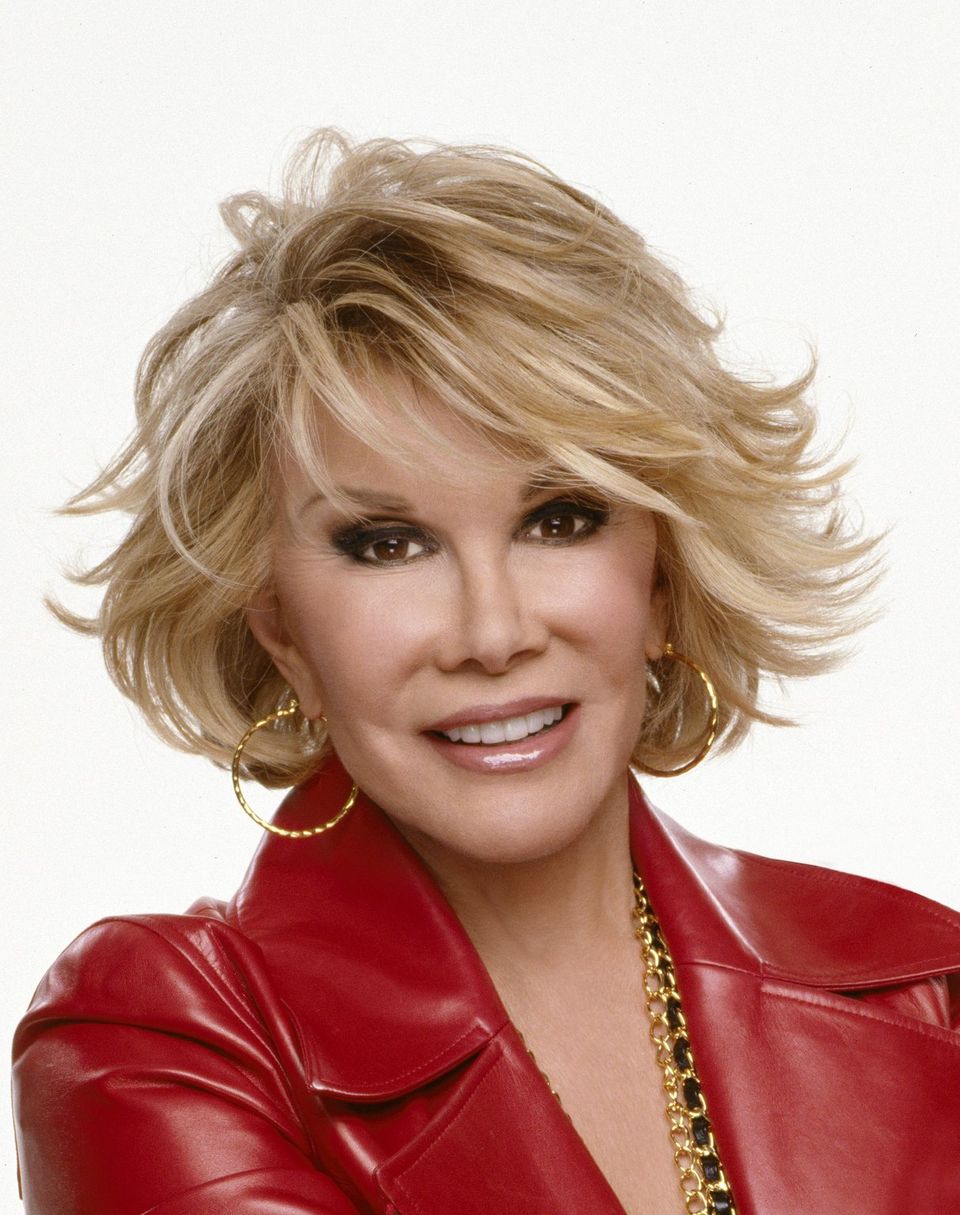
Internationally renowned comedienne, Emmy-award-winning television talk-show host, Tony-award-nominated actress, and bestselling author Joan Rivers returns to DPAC on Saturday, November 8, 2014. Joan’s first DPAC appearance in September 2012 sold out, so don’t miss your chance to attend this intimate evening of outrageous stand-up with Joan Rivers.
Ticketmaster.com / Ticketmaster Charge by phone at 800.745.3000
An entertainment legend of unparalleled talent, Joan was the first woman to break the glass ceiling of Late Night Television. After she was chosen to be the only permanent guest host on The Tonight Show for 3 years, she then went on to become the first woman ever to host her own late night talk show – The Late Show Starring Joan Rivers on the Fox Network.
After creating and hosting Live from the Red Carpet for the E! Network (1996-2004), Joan returned to anchor their popular and successful franchise Fashion Police, hosting both its hour-long weekly broadcasts and its awards-season specials. From hot new trends to red-carpet risks, Joan hilariously takes viewers through a recap of the week’s celebrity fashion and ultimately decides who sizzled and who fizzled.
Joan also dominates the world of reality television with her daughter, Melissa Rivers, in their weekly hit series on WEtv, Joan and Melissa: Joan Knows Best?. This inimitable duo addresses the question that has plagued daughters since the beginning of time: Does mother really know best?
Joan is also a vastly accomplished author, and her 11th book, I Hate Everyone.…Starting With Me, was published by the Penguin Group in June 2012. It instantly became a New York Times Bestseller. Prior to that, she wrote the other bestselling titles, Men Are Stupid and They Like Big Boobs: A Woman’s Guide to Beauty Through Plastic Surgery and Murder at the Academy Awards: A Red Carpet Murder Mystery, both published by Simon & Schuster.
In 2012, Joan recorded her live concert performance at the Arcada Theatre in St. Charles, Illinois for a comedy special entitled Don’t Start with Me, which premiered on Showtime in November and was released on DVD and iTunes in January 2013.
Despite being constantly in motion, Joan continues to work tirelessly on behalf of charities that are close to her heart: God’s Love We Deliver, The American Foundation for Suicide Prevention and Guide Dogs for the Blind. She also dedicates her time to the National Osteoporosis Foundation and Wounded Warriors, among other remarkable organizations.
It’s never easy to allow yourself to fall in love, and it is even more difficult to allow yourself to let go of a past love.
The tour of the 8 time Tony Award winning show Once, directed by JohnTiffany, stopped at the Durham Performing Arts Center for a series of 8 shows from January 21st through 26th. The music, script, movements, and the unique addition of live instrumentation combine to form the standing ovation worthy show.
Through the beautiful and complex music and songs of Glen Hansard and Marketa Irglova, Once becomes a beautiful love story created with an entire audience watching. True inner turmoil, of a love lost, is clearly audible through the gut-wrenching performance of Stuart Ward. His pain is balanced by the compassion and unrelenting support as performed beautifully by Dani de Waal.
(Think pain of The Wedding Singer in the tune of Rent with the hairstyles of Spring Awakening, with the box set of Billy Elliot, and chorus involvement of Chicago.)
The words of Enda Walsh, coupled with the performances by the amazing cast, bring to life what we all have heard, have said, and remember from friends, family, and ones we have fallen in love with. The Irish brogue, used by the majority of the cast, was beautiful to listen to. Against the norm, their use of the accent remained constant and I found it truly fascinating and awe-inspiring that all the actors were able to maintain their own individual accents even as they transitioned from spoken word to song. However, I will admit I struggled as I adjusted to the halted speech pattern of Girl, who is a young woman from the Czech Republic.
The strong kinetic chemistry between Stuart (Guy) and Dani (Girl) made it easy to hope for the growing relationship of love, against the backdrop of recording an album, that could develop over just a matter of days.
(Cue Romeo and Juliet’s whirlwind romance)
The phenomenal comedic timing of Matt DeAngelis (Svec) left us wanting “more soul and less pants.”
The interpretive movements from Steven Hoggett are a little odd, but I suppose they do illustrate the emotional struggles that Guy and Girl are experiencing. As someone who is more familiar with the traditional style of dance in Broadway productions, this also took some time to adjust to.
The one element of this show that makes it truly unique is in the way the shows utilizes live instrumentation. All Broadway worthy productions make good use of live music, but Once is one of the very few that incorporates the instrumentation into the actual stage performance. Such intimate moments of relationships, of family struggle, heartbreak, and triumph are all performed while playing instruments. During the parts of the show where the characters are listening to “Pre-Recorded” music, via radio or headphones, I found myself searching the stage for the one playing the actual instrument. This dynamic was something that I found to be truly creative and impressive.
To be a triple threat on Broadway is supposedly difficult, but some say it is actually easy to find. You just have to look at any restaurant wait staff in New York City. But, try looking for an actor who can; sing, act, dance, and play an instrument at the same time. What is even more difficult, finding that actor / singer / dancer / instrumentalist and having an entire creative team agree on it. This adds to quality of talent that makes up the cast.
(I do wish I could have been a fly on the wall during rehearsals because the bloopers would have been interesting.)
Although the set appears minimal, with a simple bar and walls with antiqued mirrors, we are easily transported from location to location with beautifully choreographed set transitions. Phenomenal transitions between scenes were heightened with fast set changes, cool set pieces, musical distractions, and subtle light changes. In stark contrast to other large spectacular productions on Broadway, Once uses eloquent words to draw and keep the audience from looking away instead of flashy special effects.
There was one “Special Effect” that was used that I did find interesting. The Czech family of Girl spoke in English, but creative team also chose to project the Slavic translations behind the bar. It was interesting to “see” the translations of the Czech family on the wall of the bar, in a reverse subtitle kind of way. Not only were we visually stimulated by the images of the foreign words flashing on the wall, but we also had fun trying to figure out which words went with each spoken word.
I have never before been influenced so much by lighting in a show as I was in this one. Subtle changes created a visual cue, dictating the mood that matched the scripted words. While overlooking the city, sparkling lights appear forming the city skyline of Dublin, Ireland.
(I have no clue where those tiny little light bulbs were located, but they appear and disappeared without a trace. After they were first used, I searched for those things for the rest of the show!)
The costume design was a little awkward due to the undefined time period or season in which the show takes place. It wasn’t until the nauseating twerking that I figured it was present day, either that or the girl had a serious medical problem onstage.
The sound technician had the volume a tad low at times. I’m assuming the sound designer was trying to create a down-trodden mood to compliment the story. Maybe, had it not been the cold and flu season with many audience members struggling to unwrap cough drops at every single “down-trodden” moment, it would have been more effective.
If you can, I encourage you to arrive early to this performance and become part of the bar patrons. You are given the opportunity to walk across the stage, order a drink from the bartender, and stand next to the chorus/band as they present a spirited pre-show. Each performer is highlighted and appears to be having the time of their life dancing, singing, and enjoy the intimate setting with patrons.
I believe we all can relate to musicals, and we all depend on the emotional places that music and song lyrics can take us. In a recent conversation I had with Matt DeAngelis (Svec) he stated that “Once was not a musical, but a play with music.” I thought he was delusional, because how can the show be billed as a Tony Award Winning Musical and not be a musical. Damn it, he was right.
Joan Rivers is a force of nature, one of the hardest working celebrities in the world. She has enjoyed an illustrious career spanning more than four decades in the entertainment industry and beyond, and as her recent accomplishments reveal, she’s as robust and hardworking as ever.
An entertainment legend of unparalleled accomplishment and talent, Joan is an internationally renowned comedienne, Emmy-award-winning television talk-show host, Tony-award-nominated actress, bestselling author, playwright, screenwriter, film director, columnist, lecturer, syndicated radio host, jewelry designer, cosmetic-company entrepreneur, and red-carpet fashion laureate. Her continued relevance is made clear by her growing group of more than 1.5 million followers on Twitter. Above all things, however, Joan is a proud mother and grandmother.
Joan Rivers is a true pioneer: She created her own brand of irreverent, unconventional comedy and forged her own remarkable rise to stardom in the entertainment world. Enduring tawdry clubs, Borscht Belt showrooms, and grimy Greenwich Village cabarets, her career skyrocketed in 1968 when she appeared on The Tonight Show Starring Johnny Carson. Within three years she was hosting That Show with Joan Rivers, one of the first syndicated daytime talk shows. She soon made television history as the permanent guest host of The Tonight Show and helped launch the nascent Fox Network in 1986 with The Late Show Starring Joan Rivers. In 1989, Joan triumphantly returned to daytime TV with The Joan Rivers Show, winning an Emmy Award for Outstanding Talk Show Host. Joan continues to dazzle live concert audiences in Atlantic City, Las Vegas and across the entire country.
Gary Owen is a fast rising star in comedy today. He has appeared in movies Think Like a Man, Ride Along and will reprise his role as Bennett in this summer’s Think Like a Man Too. He has appeared as a regular on Tyler Perry’sHouse of Payne. His comedy special Gary Owen: True Story is one of the most popular on Netflix. He has been a part of some of the best comedy tours going today and now he is coming to Raleigh.
Gary Owen is coming to Raleigh, along with the rest of the Top Shelf Comedy Tour, to the Duke Energy Center on January 31st.
MAS – For your show that is coming up, what kind of new material do you have in store for us?
Gary Owen – It is all new material, nothing that is on the internet. I just finished some of my new hour special back in November. Once you do an hour special you try to put that material to bed and you start working on a new album. The thing about it is nobody in Raleigh has seen it because the album isn’t out yet. So, it will be all new material that’s for sure.
MAS – How has the tour been for you? I know with all your work on TV and in film being on a tour like this has to be different, how is it going for you?
Gary Owen – The tour is actually a little easier than doing comedy clubs. It’s just one a night, you’re in and out. Usually we are doing two cities a week, it’s like you leave home Friday and you are back home Sunday. It gives you all week if you want to film something, if you are on a TV show or you’re filming a movie. It easier to work around your schedule; the tour is the easiest to me.
MAS – Putting the paycheck aside, what would you prefer to do the most; Movies, TV, Touring, Clubs?
Gary Owen – The comedy club is like your gym. That is where you work out all your new stuff, get your timing down, move a joke from the beginning to the end of your set to see where it goes. The big theater shows, like when I come to Raleigh; that’s our game day, like if you were an athlete. That’s when people are getting their hair done and they got their clothes in the cleaners; you know you gotta look good. You gotta give them a good performance because the probably paid a little more than they would in the comedy club. But you are also getting four headliners, instead of one. I think it all works hand-in-hand. One hand feeds the other. It is not like you like one better than the other it is just… With movies and TV, it builds your fan base a lot faster than hitting the road. That is really what, in the end, dictates how many people pay to see you.
MAS – I saw Think Like a Man and loved you in it, you were hilarious. When I saw that all you guys were back together to make Think Like a Man Too, I was like “cool”.
Gary Owen – The sequel, we filmed it all last summer in Vegas. I think it is coming out June 20, that’s the tentative release date. In the sequel, you get to meet my wife, finally. A lot of people have been asking about that. My wife is Wendi McLendon-Covey who is from Bridesmaids; she is on The Goldbergs right now. She also used to be on Reno! 911; that is who my wife is. Our chemistry, on set, is crazy; as a couple. You know, Bennett is kind of like the homebody and you wonder where he gets that from. It’s just funny to see… You are always curious to see what his home life is like, because he is always going home to his wife. You don’t really know what to expect. I don’t want to give too much away, but we are just a very funny couple.
MAS – In doing some looking at it on IMDB, I was scrolling through the cast list and it looks like this has quite the cast assembled. This could be one of those “sleeper” movies of the year.
Gary Owen – The thing about it is, if you get a summer release as a comedy the studio is thinking two things. Either they are very unhappy with it or they have huge expectations. For them to give us a summer release; that’s when all the blockbusters come out; they are expecting big things from the movie. I’m excited, I can’t wait. Every day we came on set you had no idea who was going to be there. There are some cast members that are not announced that I’m not allowed to say, they are under wraps.
MAS – I get that feeling, Ndamukong Suh, lineman from the Detroit Lions and running back Steven Jackson makes an appearance. That is a little interesting.
Gary Owen – There is a lot more of that, and not just in football. There is some huge entertainers, let me put it that way.
MAS – You have another movie out, Ride Along. Tell me about that one.
Gary Owen – Kevin is gonna get engaged to Ice Cube’s sister. Ice Cube goes, “You wanna be a cop, I’m gonna take you on a ride along”. It’s like a play on Training Day, with Denzel and Ethan Hawke. It’s like a comedic version of it. So he takes him on a ride along and shows him all these scenarios during the day. Basically, what happens is I have a grocery store held hostage and Ice Cube tells Kevin, “You need to go arrest this guy. This guy doesn’t have a gun, you can handle this one.” Kevin doesn’t handle me very well. To anybody that doesn’t like Kevin Hart, you are going to enjoy my character; I beat the shit out of him.
MAS – You know, comedy seems to go in cycles. Ten years ago, Chappelle was the thing, before that you had Jeff Foxworthy as the thing. Today, guys like Kevin Hart are becoming the thing. That cycle seems to keep comedy getting better and better and more dynamic. Do you think you would be as successful as you are now, 10-15 years ago?
Gary Owen – Here’s the thing about this business, you never know when your number gets called. Just have to be ready. That is what I tell comics, be ready. What I always tell up and coming comics, the best way to make it in this business as an up and coming comic is be on time for the show and do your time while you are that show. Which means, if you are scheduled to do 15 minutes, do 15. Don’t do 25 or 30, do 15. Then the other comics will be like, “Oh ok, you know, I wanna work with him. He does what he’s told.”
You had the Kings of Comedy there for a minute. It went from them to Mike Epps. You know Mike Epps has really sustained for the last 10 years. It kinda went Chappelle and then Katt for a second and then now it is Kevin, probably. You just never know. I’m being funny of course, but it’s like an email goes out to the country saying “this is who we’re going to go see now.” Some unknown email gets sent to everyone in the country, “Alright, this is the comic right now, this is who we are all going to go see.”
MAS – In your touring history, you have obviously been through North Carolina before. Where all have you been?
Gary Owen – I’ve been to Charlotte, to the BoJangles Arena. I’ve done that a few times. Me and Mike Epps were on tour last year, so we hit every major market. Raleigh, obviously I have done Charlie Goodnight’s numerous times. I’ve done all the colleges in Raleigh, every single one. I think I’ve done the two-year school; I’ve done some many schools in Raleigh. The Shaq tour came there a year and a half ago. I like Raleigh; I like it a lot. It’s a clean city.
MAS – As far as the crowds go from city to city how do your audiences change or are they pretty consistent everywhere you go.
Gary Owen – Well I make the joke that I have to be the only comic in the history of comedy that has to crossover into my own race. Black people know me; it’s the white people that are finally getting to know me now. It’s funny, at the airport or malls when black people see me and they ask for a picture, you see the white people going, “well who is it?”
MAS – That’s something else too about you that I think is truly funny. Watching your standup, I’m watching the audience go nuts laughing. Then they will do the camera shots of the one or two white guys in the audience that are afraid to laugh. They are like, “He can get away with, but can I get away with that?”
Gary Owen – I don’t think that it is they are afraid to laugh, I think they are in shock that the crowd is in such hysterics over a white dude. They are like, “I never thought I’d see this.” A lot of the time, if you look at the crowd, the white guys or white girls are looking at the audience members. They are like “Whoa!” It’s almost like seeing a Johnny Manziel play or seeing a white guy win a 100 meter dash at the Olympics. You are not expecting it, so when you see it you are like, “Whoa, did I just see that?”
It is changing, especially over the last year. A lot of it can be attributed to Think Like a Man and me being on Netflix. Now they are getting familiar with me. Now you are getting lots of people paying to see me and they don’t care who else is out there. In the past the black people were paying to see me and the white people might be coming just to see a comedy show just to go to get a night out.
MAS – Every comedian is good for a stinker or two during their careers, you haven’t had one yet. How have you kept you material at such a high quality?
Gary Owen – It’s odd; I don’t have a lot of joke jokes like with setups, middles and punchlines. A lot of them have just been stories about my life. Honestly, my act is my life on HGH and steroids. It is really my life; I am just adding stuff into it to be funnier.
That’s why it is always important to hit the comedy clubs because that’s where you really work out your material. There’s jokes like my Black and White Church joke, when I first wrote that joke it was a one-liner that I used on a Sunday night where I said, “Glad you guys made it out of church because I barely made it here.” The crowd went into hysterics and I was like ‘whoa, there is something here’. I took down a note that just said, “Black Church.” Let me keep working on this.
Something else about that joke in particular. People would want me to do that joke and I don’t really do it anymore. So what I did was, in my newest hour special, which we filmed back in November in Atlanta, I’m gonna open that special with the church skit. Like I really turned the joke into a skit now, it’s going to be me going into the black church; you see me reacting. I did it at a real black church and I hired real church members; I didn’t hire actors and actresses. It came out so funny; I can’t wait for everybody to see it.
MAS – I know it is a really old joke too, but your “Boy Bands” routine… It has the funny words, but then the physicality that you put into it just put it over the top. You would do very well in an improv type thing.
Gary Owen – A lot of times I do that. A lot of times when I am at The Improv or Funny Bones I will close my show and just say, “What do you guys want to talk about?” I’ll get jokes out of that as folks yell stuff out. It’ not me attacking the audience, it’s me having fun with them.
MAS – One of my buddies sent me a YouTube clip of you handling some heckler named “Dusty”…
Gary Owen – Aww crap, yeah!
There’s some backstory to that. I was getting ready to do the Late Late Show with Craig Ferguson. I live in Cincinnati, so I drove up to the Dayton Funny Bone because I wanted to work on my 5 minute set. It was open-mic night, so they were going to have me close the show.
So this guy, named Dusty, had heckled all the open-micers and they were getting ready to kick him out. I said, “Don’t kick him out, put me up next. Don’t kick him out, I’ll handle him.” So I was standing up for the young guys that couldn’t. So they put me up about half-way through the show instead of closing it and that’s when I just attacked the dude; he ended up leaving. They only showed about 5 minutes on YouTube, I went at him for about 45. He was done.
It’s funny, there was only about 100 people in Dayton Funny Bone that night but you would think there was thousands. I get it all the time, “Dude, I saw you handle Dusty” and I’m like, “No you didn’t there was like 100 people in the room that night.”
MAS – I admit, it was on YouTube for me because I don’t live anywhere near there… When you broke out “The Whistle” joke on him…
Gary Owen – <Laughing Hard> I don’t know where that came from. I hadn’t told that joke before and I haven’t old it since.
MAS – You were in the Navy and decided to pursue comedy afterwards. You won Funniest Black Comedian in San Diego. I think that is hilarious on its own. You were the one and only white guy to ever host BET’s Comic View. What do you attribute that crossover success to? It can’t just be because of being in an inter-racial relationship; I’ve done that and got nowhere near the level of acceptance you have.
Gary Owen – Dave Chappelle said it a long time ago that most comics start comedy because they have always wanted to do it, and they want to try it. Before you start thinking about it as a business or money. Another reason comics go into comedy is to pick up girls, you find out girls like you.
For some reason, I don’t know what it is, I always liked black girls. I don’t know why. I always say it was like being gay. Gay guys know they are gay but they don’t want to come out the closet because they are scared of the backlash they will get. It was the same way with me growing up. I was like, “I really find black girls attractive” but I don’t want to say anything because it wasn’t always cool.
The reason that I am accepted, and white, is because I am the same guy onstage and off. I’m not a character onstage; my pants aren’t sagging I’m not using black lingo to get the jokes across. When I first got on scene some black comics were kind of standoffish because they were like, “Let me see what he’s about.” Since then, I’ve been accepted in the black community, especially with black comics, because, “Ok, he’s being genuine with this stuff. He’s really married to a black girl; he really does have mixed kids.”
I think a lot of times when the only black comedy you know is the Apollo or Def Jam you don’t give black audiences enough credit. With me, I’m just myself and that’s all they have wanted. They don’t want you to be a character, just be yourself.
I think a lot of white comics don’t take that chance with black audiences; they don’t market themselves toward it. Just because of that fact, “I don’t want to get booed.”
His show is one long verbally articulated stream of comedic consciousness.
There are several different ways that you can approach comedy and be successful. We have all see performers that do hilarious impressions like Frank Caliendo. We have truly successful ventriloquists like Jeff Dunham. There is also the tried and true method of finding a societal subject or stereotype to focus in on like Jeff Foxworthy and so many others have done to create a routine.
One of the less often used methods to find a laugh is the style that is used by Myq Kaplan. When you listen to Myq perform, it is almost better if you are able to NOT laugh at his jokes. He delivers one-liner after one-liner in such fast succession; you will often miss a follow-up joke because you are still laughing a previous joke. I would describe his style as automatic rifle comedy; once the trigger is pulled you no longer have control of the number jokes you are going to get.
During our conversation, I tried to pin Myq down to learn how he developed his routine. What I got was very enlightening; from Myq, “Stylistically, in the beginning it was just a joke then another joke, a joke, see if it works, another joke see if it works. A few years later I had chunks of jokes that were still one line things. But now here were all the lines I had about being a vegetarian. Here are all the lines I have about certain movies, TV shows, books, relationships, sex, religion, or whatever; so, little topic chunks started forming.”
Every comedian has jokes that don’t always work, when Myq talked about his experience with dud jokes, he showed me how is used it to get better. “It is possible that it was out of insecurity, initially, that I wasn’t comfortable with the silence. It would often accompany a joke not working so, ‘Oh there is silence there; move on to the next joke, move on to the next one. When the jokes started working a lot I still had that ‘Oh that jokes over, move on to the next one’. I was packing more punch lines in the setups.”
As we continued to talk about his development Myq let me in on some not-so -secret, secrets of comedy as it relates to joke writing and connecting with the audience,“When most people start out doing comedy, if you know anything at all, you know that, probably, you are not good at it or are not going to be any good at it for a while… I never wanted to just write something that an audience would like, I wanted to write something that I enjoy and see what the audience likes.” He continued, “In the beginning it was more passive like ‘is this funny’ and then see if they said yes. Now it’s more, ‘this IS funny’. Over the course of time, I gained more confidence in some of the jokes by sheer volume. Some of them started working more than others.”
As Myq continues to talk, I learned that he really is machine-like with his comedy, “I don’t necessarily use that information to craft new things, but I get more confidence in myself and in those jokes in general and become a better performer. I can then go back and those jokes that didn’t work in the past, I do actually like them and now I am a better comedian and can use them better.”
Myq succinctly sums up his style in saying, “What I have done is not necessarily actively to pursue anything specific other than to talk about what I think is funny.”
This weekend, we have the opportunity to see this unique comedy style in person at Goodnight’s Comedy Club in Raleigh. Myq Kaplan will be performing a series of 4 shows on Friday and Saturday night. Be sure you take this chance to see a truly unique comedian.
 ecsguestwriter
 MichaelSmithNC
 Melissa Anne Cain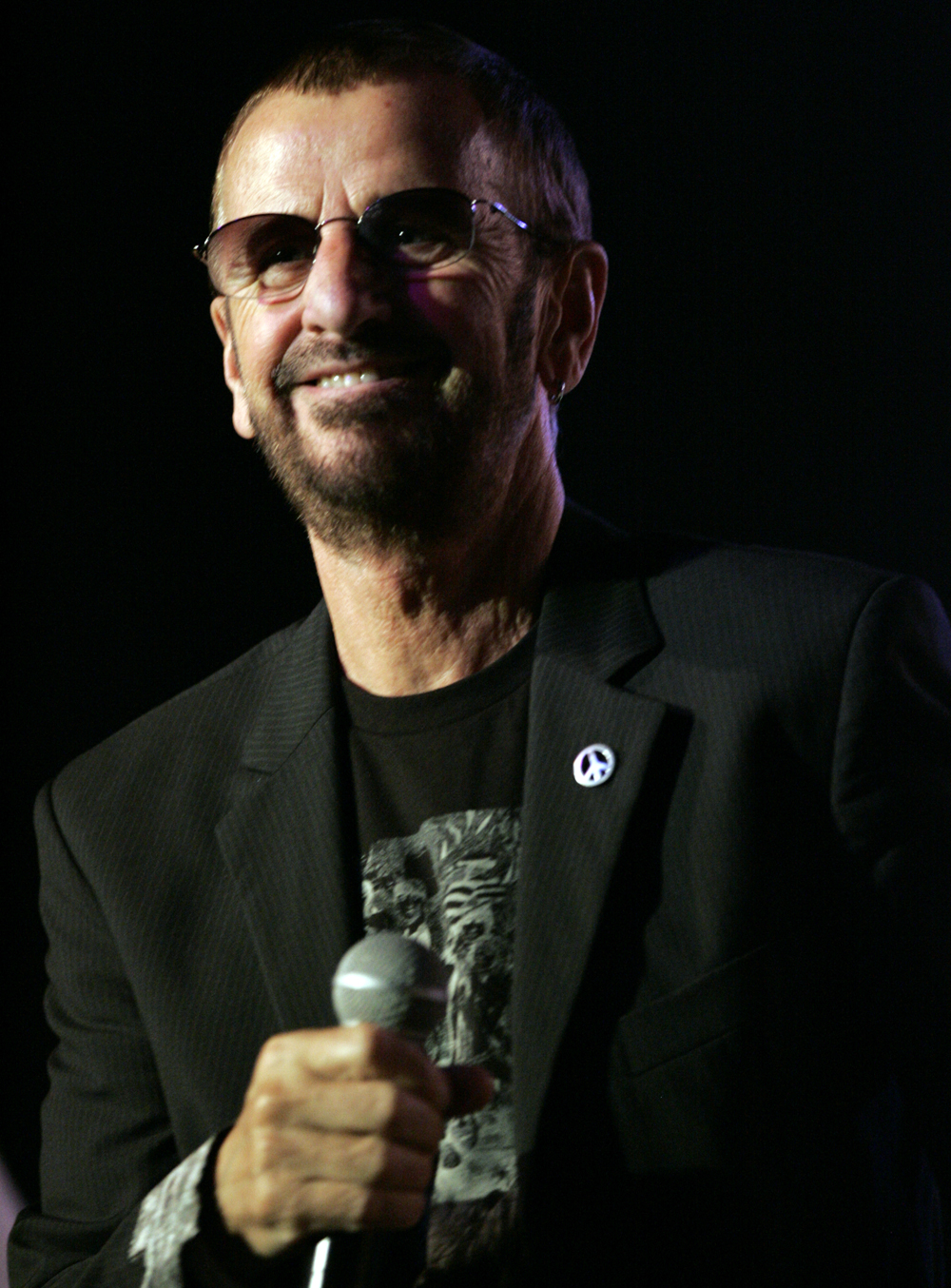




 Eastern Carolina Style